Biscoff Cheesecake Recipe: 4 Steps to a Smooth Bake50 mins
The primary challenge when utilizing cookie butter is managing sugar levels and preventing an overly soft structure. This guide breaks down the 4 key stages required to create a stable emulsion, ensuring your finished cake features a uniform density that slices cleanly every time.
The Masterclass: Achieving Perfection with Our Biscoff Cheesecake Recipe
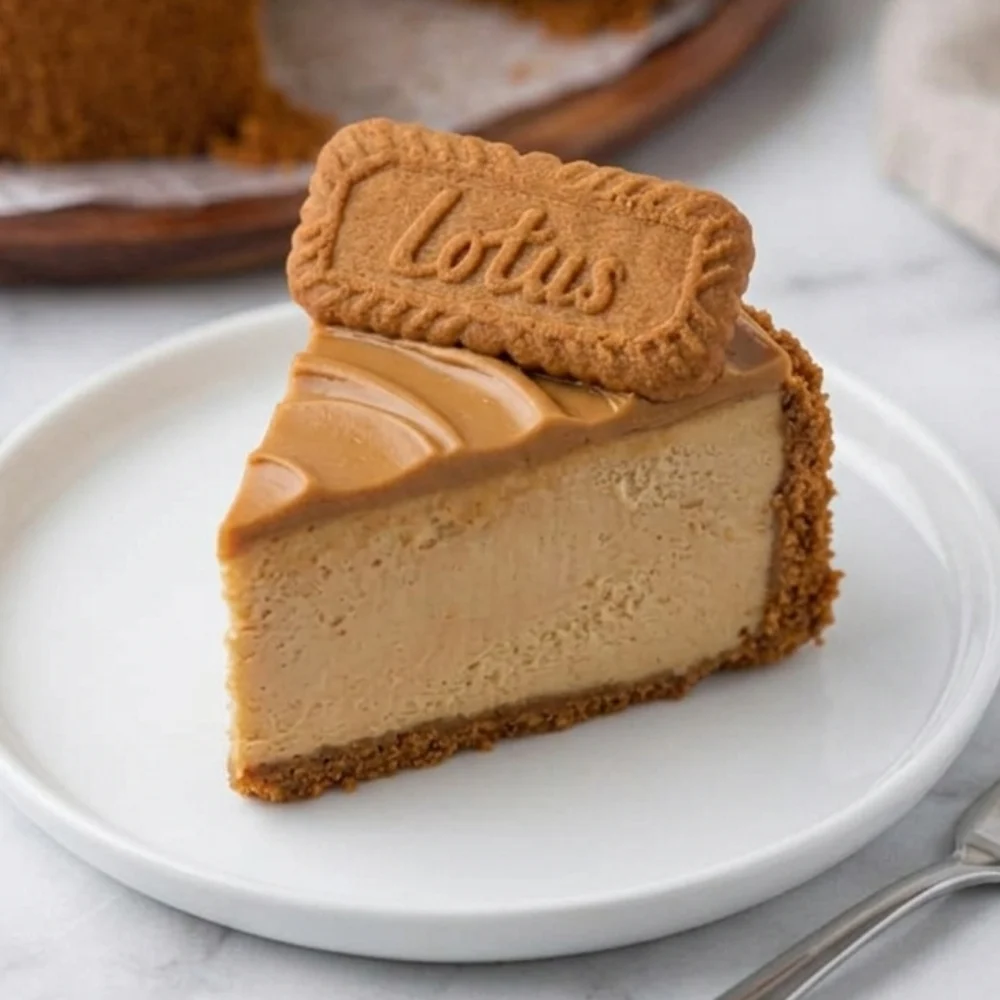
This Biscoff Cheesecake Recipe serves as a comprehensive technical guide to the art of modern pâtisserie. Achieving a professional-grade dessert requires far more than just the mechanical act of following ingredients; it demands a mastery of the underlying principles that govern dessert architecture. When you step into the kitchen to prepare this, you are not merely baking; you are engaging in a precise, temperature-controlled environment where every variable dictates the final outcome of the texture and stability.
It requires a deep understanding of dairy chemistry, lipid stabilization, and thermal management. By following this Biscoff Cheesecake Recipe, you can create a centerpiece that stands tall and slices into 8 generous, velvety wedges. The structural integrity of a chilled, non-baked cheesecake is often underestimated, but when the ratios of fat, sugar, and protein are balanced correctly, you achieve a mouthfeel that is simultaneously dense and cloud-like—a hallmark of high-end bakery production.
The Molecular Science of the Emulsion
The success of any Biscoff Cheesecake Recipe hinges on the physical state of your ingredients. We utilize a process known as fat crystallization to set the structure. In chilled desserts, structure is not achieved through the coagulation of egg proteins (as in a baked cheesecake), but through the stabilization of a fat-in-water emulsion. The stability of this emulsion is the difference between a weeping, collapsed filling and one that holds a razor-sharp edge upon slicing.
When you beat full-fat cream cheese at room temperature with sugar, you create a stable protein-fat matrix. The sugar acts as a desiccant, making proteins pliable and preventing the cream cheese from curdling, while the saturated fats provided by the high-fat content of the cheese provide the “walls” of your structure. It is vital to use room-temperature ingredients here; cold cream cheese will resist emulsification, leading to small, grainy lumps that cannot be smoothed out later.
By following this Biscoff Cheesecake Recipe, you ensure these walls are perfectly vertical. You can also observe these stabilization principles in our cottage cheese cheesecake recipe, where protein variations require significantly different cooling times to reach that same level of structural equilibrium.
Whipping cold heavy cream introduces microscopic air bubbles—a process called aeration. When folded carefully into your base, you create a reinforced lattice of fats and air bubbles held together by the proteins in the cream. For our 8-slice version, we maintain a higher ratio of aerated cream so each wedge remains plush and light. This aeration is the secret to ensuring the Biscoff spread—which is quite dense—does not weigh down the entire construction.
If you are currently refining your technique for chocolate-based chilled desserts, you might also find our oreo cheesecake recipe to be an excellent study in balancing crumb density with aerated cream, as the cocoa content in Oreo cookies presents a different set of challenges for moisture management than the spiced Biscoff base.
1. The Geometry of the Crust
The crust is the fundamental floor of structural integrity. A crust that crumbles under the blade is a sign of poor lipid distribution or insufficient compression. We use melted butter to coat every particle of the Biscoff cookie crumb. When this mixture cools in the refrigerator, the butter molecules transition from a liquid state to a solid crystalline state, creating a rigid “floor” that supports the weight of the heavy cream layer above it.
Consistency in your crumb size is also a technical factor. Too fine, and the crust becomes pasty; too coarse, and it lacks the structural cohesion required to hold a clean line. Aim for a sandy texture, similar to damp riverbed soil, before you move to the compression phase of the recipe.
2. Advanced Flavor Balancing
Biscoff spread is intensely sweet and carries a deep, caramelized spice profile—primarily cinnamon, ginger, and nutmeg. When you fold this into the cream cheese, the concentration of flavor is heightened because the fat in the cheese acts as a carrier for these aromatic compounds. Because Biscoff is so flavor-dense, we rely on the clean, slightly tangy profile of full-fat cream cheese to act as a palate cleanser between bites of the spiced cake.
The vanilla extract in this Biscoff Cheesecake Recipe acts as a flavor bridge. It pulls the sharp cinnamon and clove notes in the Biscoff spread together with the neutral fat of the cream cheese, creating a seamless transition of flavor that feels cohesive rather than fragmented. This is the hallmark of professional flavor layering.
If you enjoy the interplay of spiced layers, our coffee brownies mocha frosting recipe provides a similar master class in layering complex, deep flavor profiles that rely on the interplay of sugar, fat, and botanical aromatics.
3. The Technical Step-by-Step
- Step 1Form the Cookie Base
Crush 24-26 cookies into a uniform, medium-fine powder. Combine with melted butter. Ensure every crumb is evenly coated; this ensures a crisp, non-soggy finish for your Biscoff Cheesecake Recipe. The butter acts as the glue, and if a crumb is left uncoated, it will absorb moisture from the filling and compromise the crust integrity.
- Step 2Creating the Emulsion
Cream the cheese at room temperature. Never use “spreadable” tubs, as they contain higher water content and lower protein, which will destroy the set of your cheesecake. Beat until perfectly smooth and glossy. Introduce the Biscoff spread slowly to ensure the emulsion remains stable. If the spread is colder than the cheese, it will cause the fats to harden prematurely, creating graininess.
- Step 3Aeration and Folding
Whip your heavy cream to stiff peaks. This is the structural backbone of your Biscoff Cheesecake Recipe. Fold this into your base with a precise figure-eight motion. Folding is a delicate mechanical action; you are essentially trapping air bubbles within the cheese-spread mixture.
Stop immediately when no white streaks remain to maintain the aeration. For those interested in how fruit acidity impacts similar folding techniques, our creamy mango cheesecake recipe offers a great comparison on pH balance, as acid—like that found in mango—reacts differently with cream proteins than the spice oils in Biscoff.

- Step 4Technical Finishing
Level the top with an offset spatula. Use an acetate collar around the inside of your springform pan for a perfectly smooth, professional-grade finish that no cake pan alone can provide. When slicing your Biscoff Cheesecake Recipe, use a hot knife to ensure a smooth transition through the dense, buttery crumb base without shattering it.

Troubleshooting the “Impossible” Set
This is almost universally due to “over-folding” or using low-fat, high-moisture ingredients. If you over-fold, you deflate the air bubbles that contribute to the filling’s structure. Additionally, low-fat cream cheese or heavy cream with less than 35% butterfat will not have the solid fats necessary to firm up under refrigeration. Always stick to full-fat brick cream cheese and high-quality heavy whipping cream to guarantee success with this Biscoff Cheesecake Recipe.
You likely used too much butter, or your compression technique was too aggressive, effectively turning the crust into a single slab of solid butter-saturated crumb. Remember: we want the crust to be a support structure, not a brick. The ratio of crumb to fat should be just enough to hold the shape, not enough to saturate the entire volume of the cookie crumbs.
Serving Like a Professional
To serve this Biscoff Cheesecake Recipe with a professional edge, always use a long, thin-bladed knife heated under running hot water before every single cut. This is not optional for a perfect presentation.
The residual heat from the metal allows you to slice through the dense, cold cream layer without dragging the cookie pieces or tearing the delicate structure of the filling. Pair this with a dark roast coffee; the inherent bitterness of a dark roast perfectly offsets the rich, caramelized sugar content of the Biscoff, providing a balanced sensory experience.
Ultimately, the art of the perfect Biscoff Cheesecake Recipe lies in the careful balance between the science of the ingredient and the intuition of the baker. By following these rigorous steps—from the temperature of your cream cheese to the precision of your folding technique—you ensure that every single slice is a masterpiece of texture and flavor.
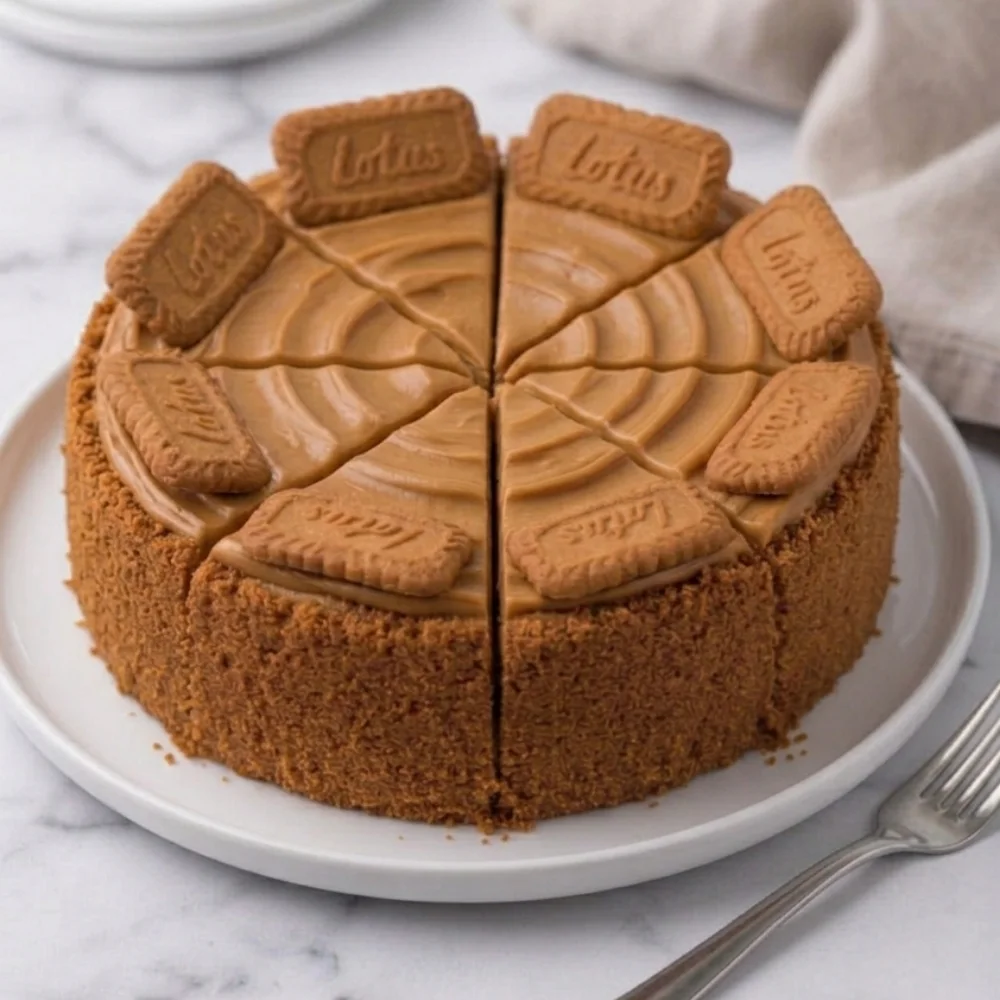
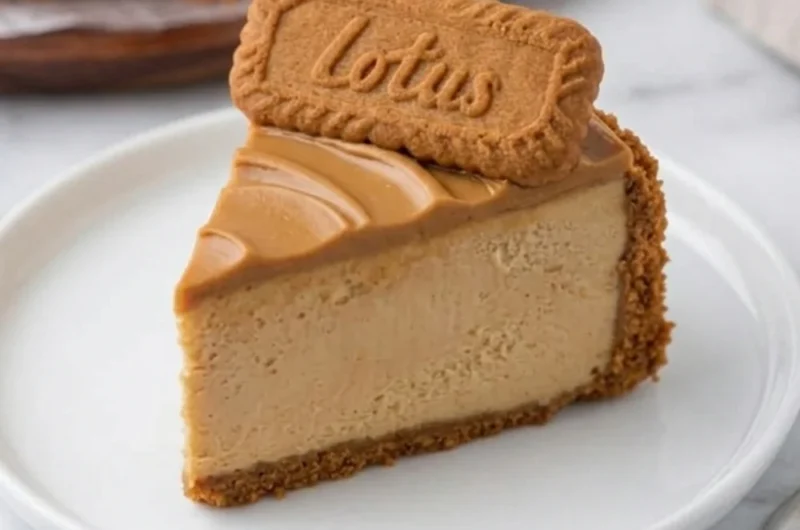
Biscoff Cheesecake Recipe
Course: DessertsCuisine: American8
Slices20
minutes30
minutes50
minutesThis modern cottage cheese cheesecake recipe blends cultured dairy curds into a silky, high-protein vanilla baked custard resting over a crisp cracker crust.
Ingredients
26 Speculoos cookies, crushed
5 tablespoons unsalted butter, melted
3 cups (680g) full-fat brick cream cheese, room temperature
1 cup (250g) smooth Biscoff spread
1 cup (120g) confectioners’ sugar
1 teaspoon pure vanilla extract
1 1/2 cups (360ml) heavy whipping cream (minimum 35% fat), chilled
Directions
- Form the Cookie Base: Crush 24 cookies into fine crumbs. Combine with melted butter, then press the mixture firmly and evenly into the bottom of a 9-inch springform pan. Chill in the refrigerator.
- Build the Cream Base: Beat the room-temperature cream cheese, cookie butter, powdered sugar, and vanilla until smooth.
- Whip and Fold: In a separate cold bowl, whip the heavy cream to stiff peaks. Gently fold the cream into the cheese base until fully incorporated.
- Layer and Cold-Set: Pour the filling over the crust, level with an offset spatula, and chill for at least 6 hours.
Notes
- Dairy Selection: Avoid using fat-free or dry-curd cottage cheese varieties, as they lack the necessary fat levels to build a smooth, creamy emulsion, resulting in a rubbery bake.
Blending Power: A standard food mixer or hand whisk is insufficient to smooth out the curds. A blender or processor is highly mandatory.