Simple Homemade Carrot Cake Loaf Recipe1h15min
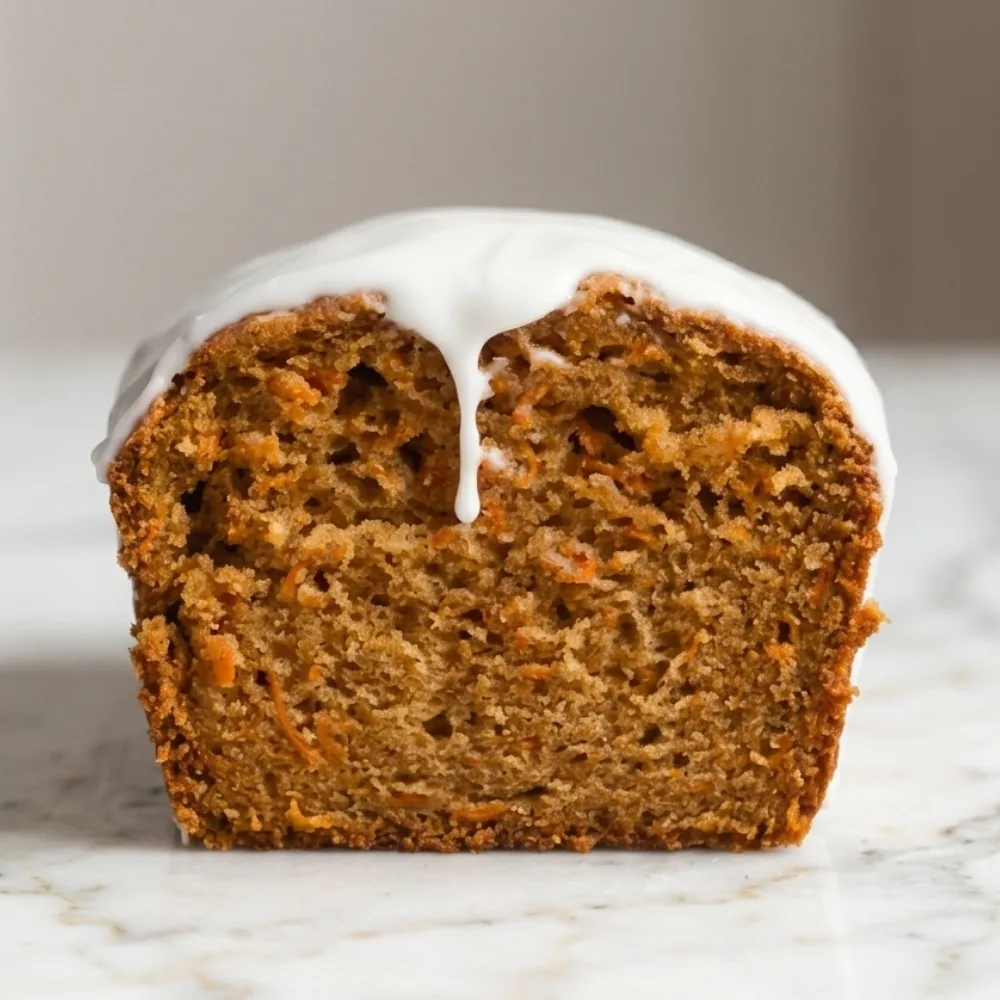
This carrot cake loaf recipe delivers a tender, classic crumb packed with fresh carrots and toasted nuts. It is a refined, portion-controlled take on the popular dessert that balances subtle, warm flavors with a bright, tangy cream cheese glaze.
Demystifying the Perfect Carrot Cake Loaf Recipe
Let’s get real. Most carrot cakes are either flavorless sponges or dense, greasy bricks. If you are hunting for a carrot cake loaf recipe that actually earns its keep in your kitchen, you have come to the right place. We are not just tossing vegetables into batter; we are balancing the natural hydration of fresh carrots against a delicate, spiced crumb. It is a bit of culinary chemistry, but I promise the results are worth the extra focus. If you love this level of detail, you will likely dig our guide to perfecting mocha-frosted coffee brownies, where, similar to this, managing your temperatures is the secret weapon.
Why Carrot Prep Can Make or Break Your Loaf
In every great carrot cake loaf recipe, the humble carrot plays the starring role. It is not just for color, as it is a major moisture driver. However, there is a trap: coarse shreds. If you grate your carrots into thick matchsticks, they will not soften in the oven, and you will end up with weird, crunchy bits in your otherwise velvety cake. Keep your grater on the finest setting to ensure the vegetables effectively melt into the batter.
A common failure point is the soggy middle. This usually happens when the flour does not have the muscle to handle the water coming off those carrots. Accurate measurements and fresh leavening are non-negotiable here. It is a lot like crafting a solid strawberry pound cake, where you need the right structural density to support those juicy fruit inclusions without the whole thing turning into a puddle.
My Baker Discipline Strategy
Do not just throw everything in a bowl and hope for the best. To nail this carrot cake loaf recipe, we follow a strict rhythm. Creaming your oil and sugars is the vital first step for a tight crumb, and adding eggs one by one builds the essential protein structure. If you dump your dry ingredients in and over-mix, you will develop too much gluten. Nobody wants a chewy cake; we want tender, succulent, and perfectly spiced results.
The Step-by-Step Build
- Step 1Prep and Mise en Place
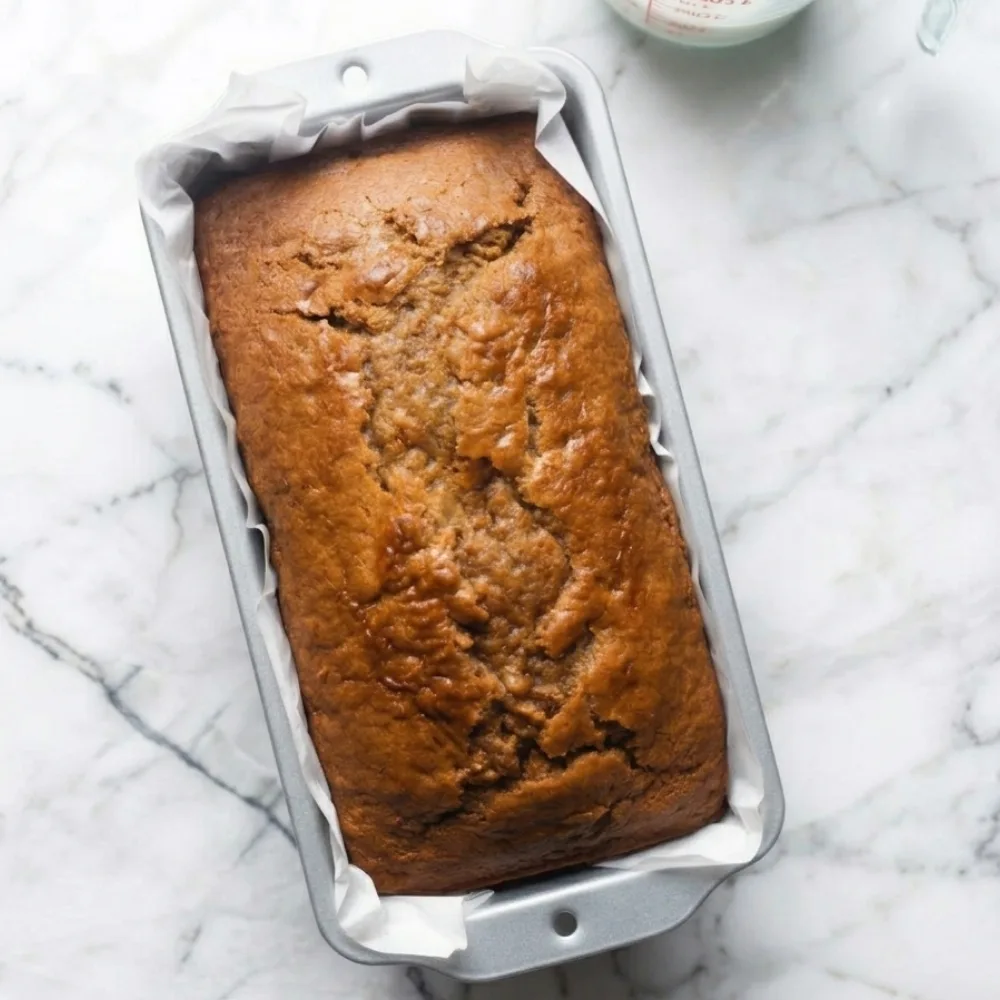
Get your oven to 350°F (175°C) and line that loaf pan well. Creating a parchment paper sling that hangs over the edges is my favorite trick for a stress-free release later.
- Step 2Building the Emulsion
Whisk the oil and sugars vigorously. Add eggs one at a time, making sure each one is fully integrated before moving on. This is the foundation of your carrot cake loaf recipe!
- Step 3Dry Ingredients
Sift your flour, spices, and leavening together to avoid lumps. Fold them in gently. It is a world of difference from something like our cherry pineapple dump cake, where the method is intentionally much more casual.
- Step 4The Final Fold
Gently fold in those finely grated carrots and your toasted nuts. Stop as soon as you do not see any dry flour streaks. Comparing this to a peach cobbler dump cake helps clarify: we want a sliceable loaf here, not a spoonable cobbler topping.
Troubleshooting Your Bake
There are two usual suspects: under-baking or over-creaming. Over-creaming packs too much air into the batter, which puffs up and then dies as the loaf cools. Check for doneness with a toothpick. It should come out with a few tiny crumbs, not wet batter.
If you are using a box grater, use the smallest holes. If you are using a food processor, pulse it sparingly. You want small, fine shreds that integrate seamlessly into the carrot cake loaf recipe for that luscious, consistent bite.
Actually, you should. This bake is arguably better 24 hours later. As it sits, the moisture settles and the spices really bloom. Just wrap it tight in plastic to keep the edges soft.
Professional Serving Tips
Even the best bake can be ruined by a bad slice. Use a sharp, serrated knife and let the weight of the blade do the work. Do not squish the cake! Serving at room temperature is ideal so the flavors are not muted. If you are glazing, please wait until the loaf is stone-cold. Otherwise, your beautiful cream cheese topping will just turn into a sad, translucent syrup.
Ultimately, nailing this carrot cake loaf recipe is all about respecting the math behind the magic. Keep your oven calibrated, measure your flour by weight if you can, and take pride in knowing you are turning simple pantry staples into a professional-tier dessert.
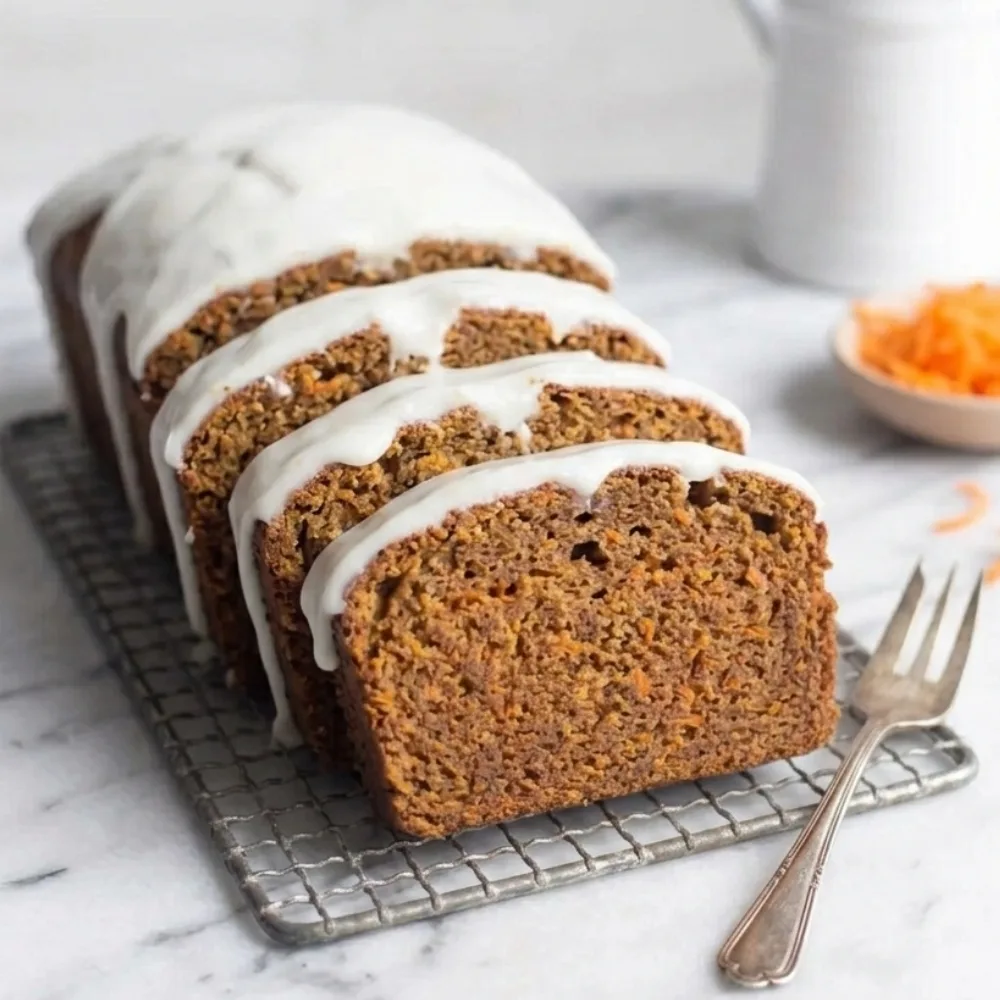
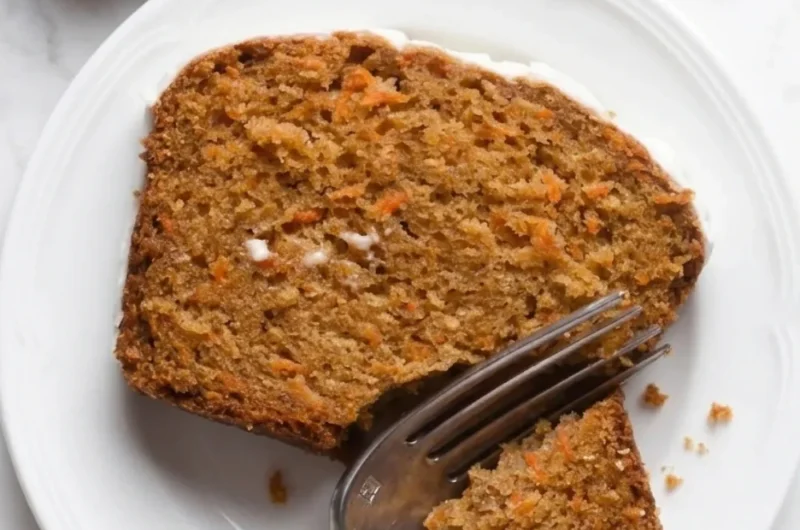
Simple Homemade Carrot Cake Loaf Recipe
Course: DessertsCuisine: American8
Slices20
minutes55
minutes1
hour15
minutesA loaf cake packed with fresh carrots and toasted nuts. This recipe emphasizes structural stability and a tender, rich crumb finished with a signature tangy cream cheese glaze.
Ingredients
1 ½ cups (185g) All-purpose flour
1 tsp (5g) Baking powder
½ tsp (3g) Baking soda
½ cup (120ml) Vegetable oil
¾ cup (150g) Brown sugar, packed
½ cup (100g) Granulated sugar
2 large eggs
1 tsp (5ml) Vanilla extract
1 ½ cups (150g) Freshly grated carrots
½ cup (60g) Toasted walnuts or pecans, chopped
Directions
- Preheat your oven to 350°F (175°C). Prepare a 9×5 inch loaf pan by greasing it and lining it with parchment paper for easy removal.
- In a medium bowl, whisk together the flour, baking powder, and baking soda. Set aside.
- In a large bowl, whisk the vegetable oil, brown sugar, and granulated sugar until well combined.
- Add the eggs one at a time, whisking well after each addition. Stir in the vanilla extract.
- Gradually fold the dry ingredients into the wet mixture until just combined; do not over-mix.
- Gently fold in the grated carrots and chopped toasted nuts.
- Pour the batter into the prepared loaf pan and smooth the top with a spatula.
- Bake for 50-60 minutes, or until a skewer inserted into the center comes out clean.
- Cool the loaf in the pan for 10 minutes before transferring it to a wire rack to cool completely.
Notes
- Storage Protocol: For maximum flavor development, wrap the cooled loaf in plastic wrap and let it sit at room temperature for 12 to 24 hours. This allows the moisture from the carrots to redistribute fully throughout the cake, softening the crumb and deepening the overall flavor profile.